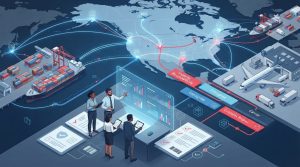

With the 2026 permanent suspension of de minimis exemptions in the United States and the European Union, 87% of enterprises now identify regulatory compliance as their most significant barrier to international growth. The global trade landscape has shifted from simple logistics to a high-stakes environment where every shipment requires formal entry and precise data. It’s no longer enough to react to customs delays; you need a proactive strategy built on professional IOR and EOR services to maintain operational momentum. This shift represents a fundamental change in how corporate leaders must approach market entry and supply chain resilience.
We recognize that navigating diverse trade laws and hidden VAT costs feels like a constant drain on your internal resources. You deserve a predictable path that eliminates the risk of fines and delivery failures. This guide offers a comprehensive framework to master these complexities through enterprise-grade solutions. We will explore how to implement a strategic 4PL approach that reduces legal liability and ensures predictable logistics costs across every global market you target, turning regulatory adherence into your greatest competitive asset.
Key Takeaways
- Identify the critical legal distinctions between IOR and EOR roles to ensure absolute regulatory adherence during high-stakes global expansion.
- Utilize a comprehensive decision matrix to determine whether IOR and EOR services or local entity incorporation offers the optimal total cost of ownership for your specific market entry.
- Apply five essential pillars of evaluation to select an enterprise-grade partner capable of managing large-scale duty outlays and complex B2B trade corridors.
- Shift from reactive logistics to a strategic 4PL model that integrates trade compliance directly into your broader supply chain optimization strategy.
The Strategic Role of IOR and EOR Services in Global B2B Trade
Global expansion in 2026 requires a level of precision that standard freight forwarders simply aren’t equipped to provide. As regulatory bodies tighten their grip on cross-border transactions, the distinction between logistics and legal compliance has blurred. Modern IOR and EOR services act as the foundation for this new era of trade. An Importer of Record (IOR) is the officially recognized legal entity responsible for ensuring that imported goods comply with all local laws, filing the necessary documentation, and paying assessed duties and taxes. Conversely, an Exporter of Record (EOR) takes responsibility for the point of origin, ensuring that the shipment meets all export control requirements before it ever leaves the dock.
The 2026 trade landscape is defined by the end of the “de minimis” era. With the United States codifying the suspension of the $800 exemption into permanent regulation on June 24, 2026, and the EU eliminating its €150 duty exemption on July 1, 2026, every commercial shipment now faces formal entry requirements. This shift transforms trade compliance from a tactical shipping hurdle into a critical strategic asset. Moving from tactical shipping to strategic trade management ensures that your supply chain remains resilient against sudden regulatory pivots.
Legal Liability and Risk Transfer
Engaging professional IOR services effectively insulates your organization from the volatile world of foreign legal penalties. By utilizing a Power of Attorney (POA), you authorize a specialized partner to act on your behalf, navigating customs audits and regulatory inquiries with expert precision. This arrangement shifts the burden of compliance from your internal legal team to a dedicated guardian. The Record Holder serves as a legal shield, absorbing regulatory responsibility on behalf of the principal party. This transfer of risk is essential in high-growth corridors where local regulations change without warning.
Market Entry Without Local Incorporation
Traditional expansion often involves establishing a foreign subsidiary, a process that typically demands a 6 to 12 month timeline. IOR and EOR services allow enterprises to bypass this administrative bottleneck entirely. You can scale global sales while maintaining a lean corporate footprint, avoiding the complexities of local corporate tax registration and permanent establishment risks. The predictable fee structure of a trade partner often outweighs the long-term overhead of maintaining a physical legal entity in every target market. This agility allows for rapid testing of new territories with minimal upfront investment.
Essential Selection Criteria for Enterprise IOR/EOR Partners
Choosing a partner for IOR and EOR services is a high-stakes decision that dictates the speed and security of your international trajectory. It isn’t merely about moving goods across borders. It’s about establishing a framework that survives regulatory scrutiny. You need a provider with deep-rooted expertise in specific high-growth trade corridors. They must demonstrate the financial stability required to manage large-scale duty outlays on your behalf. This financial resilience ensures that your supply chain never halts due to liquidity issues at the border. Scalability remains a key differentiator. A partner must prove they can support everything from a single SKU market test to a complex, 50-country enterprise rollout.
Compliance and Customs Brokerage Integration
IOR providers must function as expert customs brokers to be effective. This integration allows for the seamless application of HS Code classification, which is the primary driver of duty optimization. Even minor errors in classification can result in significant financial leakage or legal disputes. For enterprises in the medical or IT sectors, managing Export Control Classification Numbers (ECCN) is essential. A specialized partner ensures that high-tech goods meet all export licensing requirements, protecting your brand from the fallout of non-compliance. This level of detail-oriented management is what separates a basic service from a strategic partnership.
Fiscal Representation and Tax Compliance
Beyond the physical movement of goods, fiscal representation is where many providers fall short. Enterprise-grade partners navigate the complexities of VAT and GST reclamation and deferment schemes with ease. They ensure that your organization captures every available tax benefit. An EOR is vital for maintaining zero-rated export status, which significantly impacts your bottom line. Proper EOR usage also provides a buffer against the “Permanent Establishment” trap. This strategic layer prevents your business from unintentionally triggering corporate tax liabilities in jurisdictions where you don’t intend to incorporate. If you’re currently evaluating your internal systems, supply chain consulting can help align your technology stack with global trade requirements.
Trade compliance shouldn’t exist in a vacuum. Your partner’s technology must integrate directly with your existing ERP and TMS environments. This connectivity enables automated data transfers and real-time reporting, which are essential for executive oversight. This holistic approach ensures that compliance is a built-in feature of your operations, not a manual afterthought. By prioritizing these criteria, you ensure that your IOR and EOR services contribute directly to your long-term expansion goals rather than creating new administrative burdens.
Decision Matrix: IOR/EOR vs. Establishing a Local Entity
Choosing between IOR and EOR services and full local incorporation isn’t a binary decision. It’s a strategic calculation of risk, speed, and long-term intent. For many enterprises, the Total Cost of Ownership (TCO) for a local subsidiary includes hidden expenses like corporate tax filings, local directorship fees, and administrative overhead that often exceed the cost of a managed service. Speed to market remains the most visible differentiator. While incorporation can take anywhere from six months to a year, a managed trade solution allows for market entry in mere days. Analyzing TCO requires looking beyond the invoice. You must account for the opportunity cost of delayed market entry. A six-month delay in a high-growth corridor can result in millions in lost revenue.
When to Choose IOR/EOR Services
Testing a new territory with low-volume B2B shipments is the ideal scenario for managed trade. It’s also the preferred model for time-sensitive, short-term projects like data center builds or medical equipment rollouts where physical presence is temporary. This approach preserves your agility. It allows you to pivot or exit a market without the legal entanglement of liquidating a local entity if trade conditions shift. Research indicates that using an EOR is significantly more cost-effective than setting up a local entity until a company reaches a threshold of 10 to 25 employees in a single country. This flexibility is essential in a 2026 trade environment defined by rapid regulatory changes.
When Local Incorporation Makes Sense
Local incorporation becomes the logical choice once you reach a specific tipping point in operational scale. If your business model requires high-frequency domestic distribution or a permanent fleet of local employees, the administrative control of a subsidiary outweighs the regulatory burden. Certain complex local licenses, particularly in highly regulated sectors like telecommunications or finance, can’t be held by a third-party IOR. In these instances, establishing a physical legal footprint is an unavoidable requirement for long-term growth. You’ll gain direct oversight of your local operations, though you’ll also assume the full weight of compliance responsibility.
The decision ultimately hinges on balancing operational control against the weight of regulatory responsibility. While a local entity offers direct oversight, it also places the full burden of compliance on your internal teams. IOR and EOR services transfer that burden to specialized experts, allowing your leadership to focus on market share rather than customs audits. Most enterprises find that the managed model is the superior choice for initial expansion and mid-scale operations before considering the heavy investment of incorporation. This strategic buffer allows for secure growth without the immediate pressure of foreign corporate tax registration.

The 2026 Enterprise Buying Guide: 5 Pillars of Evaluation
Selecting a partner for IOR and EOR services requires a shift from vendor management to strategic alliance building. In a market where regulatory oversight is at an all-time high, the quality of your provider directly impacts your bottom line and legal standing. You need a framework that moves beyond price per shipment and focuses on long-term resilience. This buying guide outlines five critical pillars that every enterprise must evaluate before committing to a global trade partner.
- Pillar 1: Proven track record in B2B high-value sectors. Demand evidence of expertise in IT, medical, and industrial equipment. These sectors involve high-stakes compliance and specialized handling that generalist providers often overlook.
- Pillar 2: Transparent fee structures. Ensure the proposal includes all costs upfront. Avoid partners who add hidden “documentation” surcharges or administrative fees that weren’t disclosed during the initial RFP.
- Pillar 3: In-house supply chain consulting. A strategic partner should provide more than just transactional filings. They should offer supply chain consulting to help you optimize your global footprint and reduce duties legally.
- Pillar 4: Robust insurance and liability coverage. High-value assets require comprehensive coverage. Verify that the provider carries sufficient liability insurance to protect your capital investment against unforeseen transit or regulatory issues.
- Pillar 5: Real-time visibility and reporting. Compliance reporting dashboards are essential for executive oversight. You need immediate access to shipment status, duty payments, and audit-ready documentation.
Evaluating Provider Infrastructure
Infrastructure is the often-hidden foundation of IOR and EOR services. You must ask whether a provider uses their own legal entities or relies on a network of sub-agents. Relying on sub-agents creates the risk of “chaining,” where multiple parties are involved in a single shipment. This increases the potential for communication breakdowns and data errors. A provider with their own local entities offers direct control and higher accountability. Always verify that they hold the necessary local regulatory licenses and certifications in each target jurisdiction before signing a contract.
The RFP Process for IOR/EOR Services
A rigorous RFP process is your best defense against operational failure. During the compliance audit phase, ask critical questions about their internal audit frequency and their process for handling customs inquiries. Request specific case studies involving products similar to yours, such as telecom equipment or high-tech medical devices. Establish clear Key Performance Indicators (KPIs) for clearance speed and documentation accuracy. These metrics will serve as the benchmark for your ongoing relationship and ensure that the provider remains focused on your strategic goals.
Transitioning to a Managed 4PL IOR/EOR Model with Global4PL
Transitioning to a 4PL model represents a fundamental shift from viewing logistics as a cost center to treating it as a strategic lever. Traditional 3PL providers often handle IOR and EOR services as isolated transactions, focusing purely on getting a specific shipment through customs. This tactical approach often leaves gaps in your long-term trade strategy. In contrast, a 4PL approach integrates these services into your entire supply chain architecture. Global4PL functions as an essential extension of your strategic team, overseeing the complex interplay between trade compliance, procurement, and distribution. This high-level oversight ensures that every cross-border movement aligns with your broader corporate objectives rather than existing in a silo.
Proactive supply chain consulting is the hallmark of this managed model. Instead of reacting to customs delays, we anticipate regulatory shifts and adjust your strategy accordingly. This foresight is especially valuable in the 2026 environment, where the permanent suspension of de minimis exemptions in major markets has increased the volume of formal entries and the potential for administrative bottlenecks. By centralizing your trade management, you gain a unified view of your global operations. This allows for data-driven decisions that reduce risk and improve speed to market. It’s about moving from simple shipping to comprehensive trade governance.
Strategic Optimization and Efficiency
Efficiency in international trade isn’t just about speed. It’s about reducing operational friction through seamless customs brokerage. Global4PL leverages deep industry expertise to identify opportunities for duty drawback and tax optimization that traditional providers often miss. We don’t just file paperwork; we analyze your product flows to ensure you aren’t overpaying in duties or VAT. Global4PL facilitates secure, efficient global expansion by providing a stable regulatory foundation for your high-value assets. This precision allows your leadership to scale operations into new territories with total confidence in your compliance posture.
Next Steps for Global Trade Resilience
Building a resilient supply chain starts with understanding your current vulnerabilities. Initiating a trade compliance audit with Global4PL is the first step toward identifying gaps in your documentation or HS classification processes. As your business grows, your requirements for IOR and EOR services will naturally evolve. Our scalable model ensures that your compliance framework expands alongside your market reach, whether you’re entering a single new country or launching a multi-continent rollout. You need a partner that grows with you while maintaining the highest standards of regulatory adherence.
Ready to transform your international operations? Optimize your global trade compliance with Global4PL to secure your supply chain against the complexities of modern international trade.
Future-Proofing Your Global Trade Infrastructure
The 2026 trade environment demands a departure from traditional, reactive logistics toward a model defined by precision and strategic foresight. By integrating professional IOR and EOR services into a broader 4PL framework, your organization can effectively transfer legal liability while maintaining the agility required for rapid market entry. We’ve explored how a zero-tolerance compliance framework and transparent evaluation pillars serve as the foundation for secure expansion. This transition ensures that your supply chain remains resilient against the permanent regulatory shifts currently reshaping the global landscape.
Global4PL stands ready as your authoritative B2B trade consultant, offering comprehensive 4PL supply chain integration that functions as a seamless extension of your internal team. Our focus on optimization and regulatory adherence allows you to scale with confidence, turning complex international trade laws into a clear competitive advantage. It’s time to move beyond transactional shipping and embrace a managed model built for the future of global commerce.
Consult with our trade compliance experts to streamline your global IOR/EOR strategy and ensure your business is prepared for the next phase of international growth.
Frequently Asked Questions
What is the main difference between IOR and EOR services?
An Importer of Record (IOR) manages the legal entry of goods into a destination country, while an Exporter of Record (EOR) ensures shipments meet all origin-country regulations. The IOR is responsible for duty payments and local compliance. The EOR handles export licenses and documentation at the point of departure. Together, IOR and EOR services provide a complete framework for cross-border movement without the need for the principal party to maintain a physical presence in either jurisdiction.
Can a company act as its own Importer of Record in a foreign country?
A company can only act as its own IOR if it has a registered local legal entity in the destination country. This typically requires a physical office, local directorship, and a domestic tax ID. For enterprises without these assets, a third-party service provider assumes the legal responsibility. This allows for immediate market entry while bypassing the lengthy process of foreign incorporation.
How much do IOR and EOR services typically cost for B2B shipments?
Pricing for these services varies based on shipment value, product complexity, and the destination’s regulatory environment. Fees are typically structured as a flat rate per shipment or a percentage of the goods’ value. While specific costs depend on the service scope, enterprises should evaluate the total cost of ownership, including duties and potential VAT reclamation, rather than just the service fee.
What are the risks of using an unqualified IOR service provider?
Unqualified providers increase the risk of customs seizures, heavy financial penalties, and long-term legal liability. Inaccurate HS Code classification or missing permits can lead to shipments being held indefinitely. This results in disrupted supply chains and damaged brand reputations. Selecting a partner with a zero-tolerance compliance framework is essential for protecting high-value corporate assets.
Do IOR services include customs brokerage and duty payments?
Comprehensive IOR solutions typically integrate customs brokerage and the management of all duty and tax outlays. The provider acts as the fiscal representative, ensuring that all financial obligations are met at the time of entry. This integration streamlines the process, as the same entity that holds legal responsibility also manages the technical filing and payment logistics.
How does an Exporter of Record handle VAT and tax compliance?
The EOR ensures that goods are properly cleared for export, which is critical for maintaining zero-rated VAT status on international sales. They manage the necessary proof of export documentation required by tax authorities. This professional oversight prevents the accidental triggering of domestic tax liabilities and ensures that the financial benefits of international trade are fully realized.
Is an IOR required for all international shipments or just high-value goods?
As of 2026, an IOR is required for almost all commercial shipments due to the removal of de minimis exemptions in major trade zones like the U.S. and EU. Every shipment, regardless of its value, now requires a formal entry process and a designated legal entity to take responsibility for compliance. This change has made IOR and EOR services a standard requirement for modern global B2B trade.
How does Global4PL ensure compliance with specific industry regulations like medical or telecom?
Global4PL utilizes specialized supply chain consulting to align shipment data with sector-specific requirements such as ECCN classifications or medical device registrations. We don’t use a one-size-fits-all approach. Instead, our team conducts deep-dive audits of your product categories to ensure every technical requirement is met before the shipment leaves the dock. This precision is vital for high-stakes industries where compliance errors are not an option.